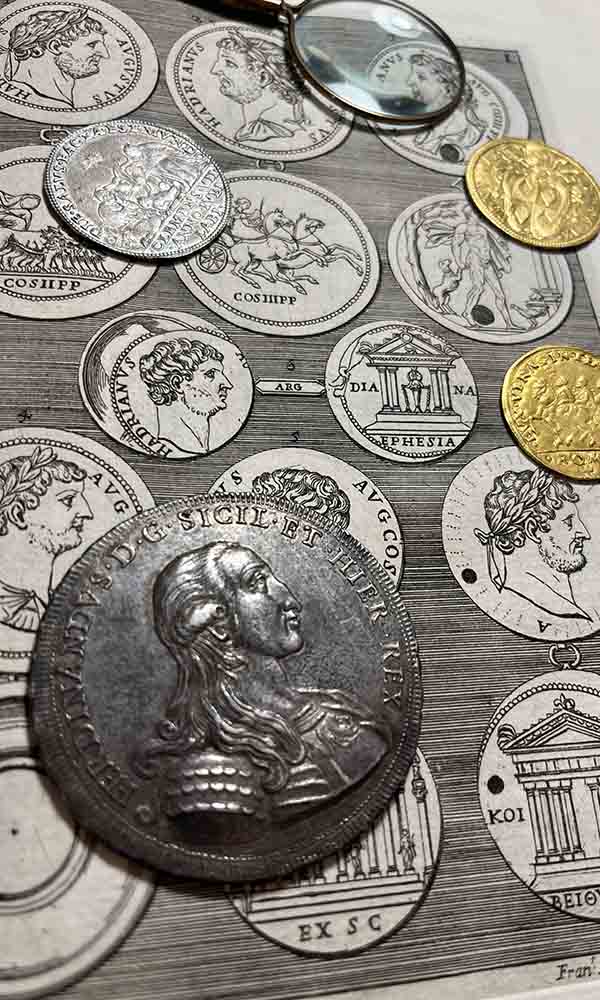


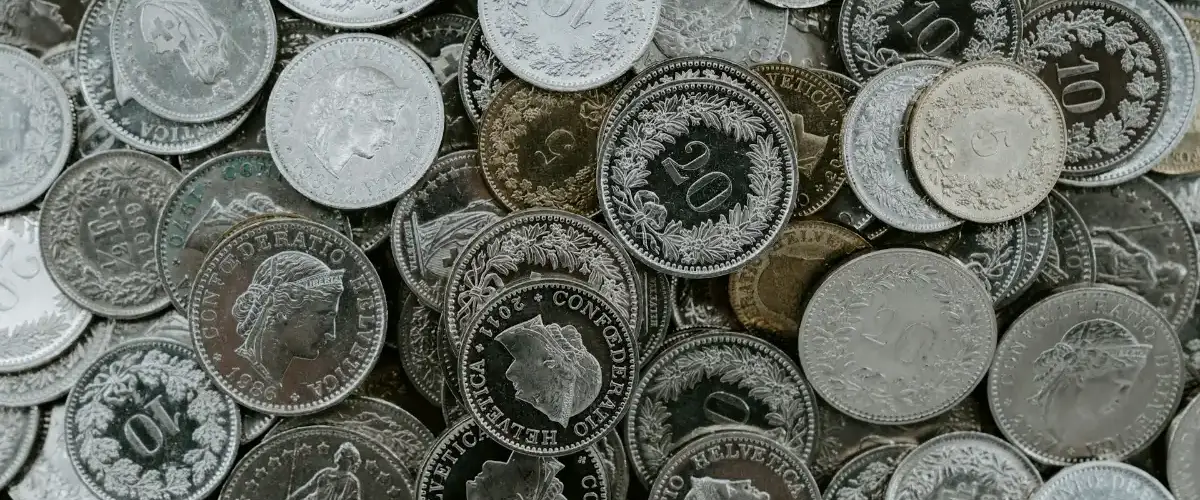
Dear readers Numismatica Ranieri, today's article is dedicated to find out what material they are made to the coins. After having spoken of the value of rare coins in coin collecting, we continue our analysis on this topic by explaining what are the metals of the coins and their main characteristics.
We are convinced that the details of the descriptions of the metals in the coins could make all the difference in the choice of coins, gold investment is most suited to your profile collector.
What material is it made coins
The metal of the coin
II collector is fascinated by coins for a very simple reason: they have retained their features for decades, centuries or even millennia. In practice come to us in the same shape, weight, color and substance that they had when they were circulating.
Everything has been made possible thanks to the material with which they were produced: the metal.
Below you will find the selection of the most used metals for the execution of the coins. For each type of metal we will denote the symbol commonly used on books, numismaticuseful pieces of information and historical.
- Platinum (Pl Pt). Known as the heavier and less expansible between the metals, platinum was used to mint coins in a special way in Russia. His appearance is fairly recent (early ‘800). It does not possess the ability to form coatings.
- Gold (Au). Coin for excellence that coined with this metal, very ductile and malleable, which from the Greek was used and recognized as valuable. It does not form patinas, but it can happen that the copper with which it is bound oxides, giving life to bruising or iridescence.
- Electro (El). Natural alloy of gold and silver that was found in the sand of the rivers, and was used In the Greek era. Its composition is approximately 3/4 gold and 1/4 silver. It does not form patinas.
- Silver (Ag or Ar). Noble metal used since the very beginnings of coinage, form coatings of different colors.
- Mixture (I). An alloy composed of silver, to a variable extent-between 30 and 60%, and copper. Used since the times of the romans, the form patinas.
- Bronze/Copper (Br or AC). Metal classic for the medals and coins of lesser value, the bronze and copper, have the ability to lose the original color within a short time. The bronze is the alloy of copper (70/90%), and tin, and is harder than copper. Form patinas.
- Aluminum (Al). Little used in the coinage, there is appeals in times of need, such as happened during The world war. Feature the great lightness. It does not form patinas.
- Nickel (Ni). The nickel (or nickel) is a metal that has made his appearance In the contemporary era; very ductile and malleable, color whitish-grey, almost similar to iron, it was used for coins of little value. The coins in nickel, do not form a patina.
- Orichalcum (Or). Alloy of copper and zinc, used in the roman age. Form patinas.
Visit the shop the numismatic online Numismatica Ranieri, you will find countless coins from different historical eras, created through the use of several different types of metals. Each coin features an accurate description in terms of value, features, rarity, etc.
Conclusions
Hoping that this dedicated article to find out what material they are made to the coins was of interest to you, waiting for your opinions.
You can let us know what you think or send us other tips through the space, and comments confidential, or through the contact page. Also for any doubts or queries please visit the contact us section of our website.
For any information or further details of our e-mail address is the following: info@numismaticaranieri.it
To the next one with the best news related to the world of numismatics.